Shrimp Australian Amano
Shrimp Australian Amano
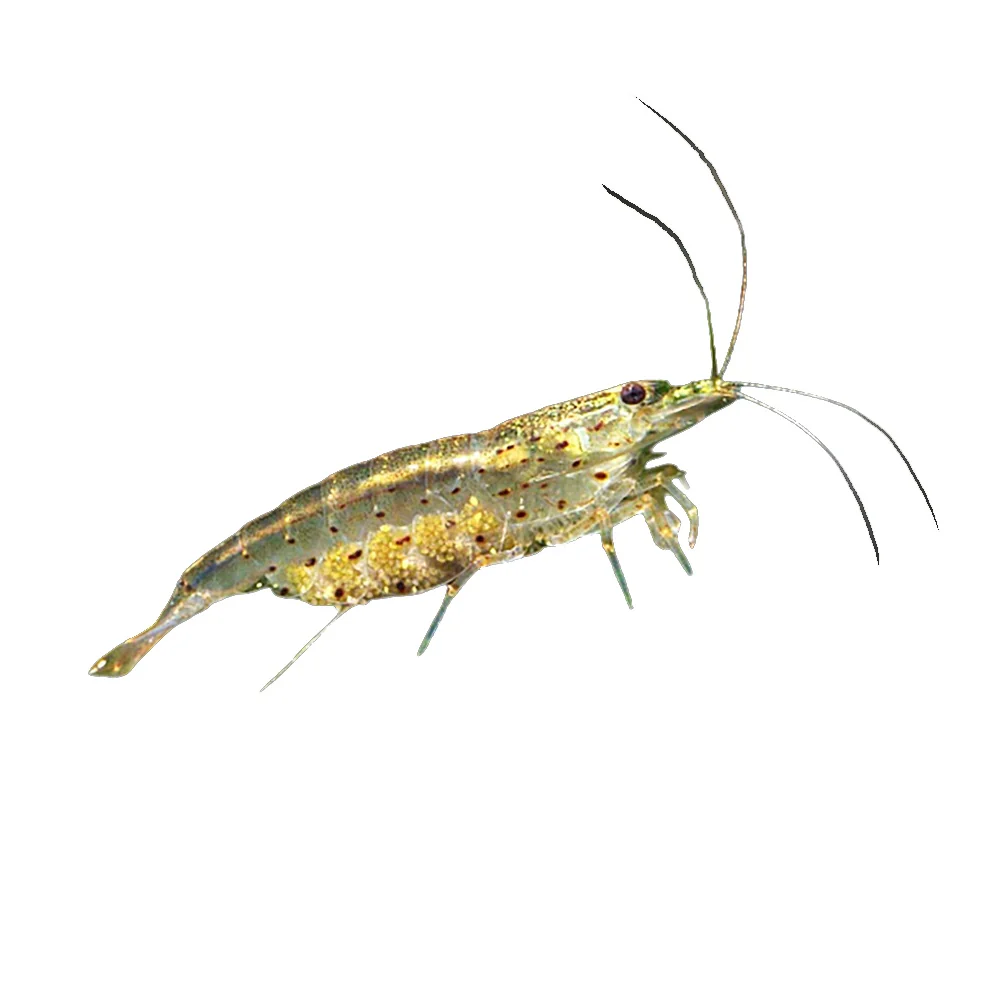
The Australian Amano shrimp (Caridina typus) is a hardy native freshwater shrimp that grows to around 3–5 cm. It is an excellent algae-eating scavenger and is particularly effective at controlling problem algae such as black beard algae and string algae in planted aquariums. As a peaceful and relatively large shrimp species, it serves as a great native alternative to imported Japanese Amano shrimp. They do best when kept in groups and typically live for around 2–3 years.
Care and Requirements
-
Tank Size: A minimum of 40 litres (10 gallons) is recommended, ideally with plenty of plants, hiding spaces, and driftwood.
-
Temperature: 20–28 °C (68–82 °F).
-
pH: 6.0–7.5.
-
Diet: Primarily herbivorous; feeds on algae, biofilm, and sinking pellets or wafers.
-
Tank Mates: Peaceful and suitable for community aquariums, though they should not be housed with large or aggressive fish that may prey on them.
-
Breeding: Very difficult in captivity, as the larvae require salt or brackish water to develop.
Product Information
Product Information
Shipping & Returns
Shipping & Returns
Description
Shrimp Australian Amano
The Australian Amano shrimp (Caridina typus) is a hardy native freshwater shrimp that grows to around 3–5 cm. It is an excellent algae-eating scavenger and is particularly effective at controlling problem algae such as black beard algae and string algae in planted aquariums. As a peaceful and relatively large shrimp species, it serves as a great native alternative to imported Japanese Amano shrimp. They do best when kept in groups and typically live for around 2–3 years.
Care and Requirements
-
Tank Size: A minimum of 40 litres (10 gallons) is recommended, ideally with plenty of plants, hiding spaces, and driftwood.
-
Temperature: 20–28 °C (68–82 °F).
-
pH: 6.0–7.5.
-
Diet: Primarily herbivorous; feeds on algae, biofilm, and sinking pellets or wafers.
-
Tank Mates: Peaceful and suitable for community aquariums, though they should not be housed with large or aggressive fish that may prey on them.
-
Breeding: Very difficult in captivity, as the larvae require salt or brackish water to develop.